
Since 2006, we have strived to provide superior synthetic chemistry services to global and regional pharmaceutical and biotechnology clients. As a medicinal chemistry CRO we are steadfast in bringing an unparalleled level of creativity and ingenuity to enable access to biologically active, complex molecular structures that can lead to discovery of breakthrough therapies.
AAPharmaSyn celebrates customer-centric culture and empowers all employees to enhance the customer experience. When working with AAPharmaSyn, customers can expect:

Impeccable Communication

Relentless Execution

Unbounded Creativity
Challenging Chemistry, Managed with Clarity
AAPharmaSyn provides custom synthesis services for complex small molecules, intermediates, building blocks, analogs, and reference compounds. Our chemists combine strong synthetic problem-solving with direct, responsive communication—so you know what is working, what is not, and what we recommend next.
From route evaluation and multi-step synthesis to troubleshooting, purification, and characterization, we focus on getting difficult chemistry to a practical result.
We routinely work on complex, novel, and literature-limited compounds. Our team evaluates the target, identifies realistic synthetic approaches, and adapts the chemistry as the project develops.
We do not simply stop at a failed reaction. Our chemists investigate the cause, test alternatives, and recommend the most practical path forward.
You receive clear project updates and direct scientific communication throughout the work. Important findings, risks, and decisions are shared early so there are no surprises.
Have a challenging synthesis project? Talk with our chemists about your target and the best path forward.
Contact UsAdvancing Small Molecules with Insight and Execution
AAPharmaSyn supports medicinal chemistry programs from hit-to-lead through lead optimization, helping clients design, synthesize, and refine small molecules with the properties needed to move a discovery program forward.
Our chemists combine SAR-driven design, rapid analog synthesis, synthetic problem-solving, and clear communication to help teams make better decisions faster.
We design and synthesize focused analogs to explore structure-activity relationships (SAR) and improve potency, selectivity, physicochemical properties, and overall compound quality.
Yes. We evaluate difficult synthetic routes, develop alternatives, and troubleshoot chemistry so promising ideas are not abandoned because a route is inefficient or unreliable.
Yes. We use available assay, ADME, PK, and selectivity data to help guide the next round of compound design and prioritize the most informative molecules to make.
Yes. You receive clear project updates and direct access to scientists who can explain results, discuss tradeoffs, and recommend practical next steps.
Need to improve a lead series or accelerate a medicinal chemistry program? Talk with our chemists about your compounds, data, and next decision.
Contact UsWe consistently challenge our assumptions and beliefs in order to foster professional and personal growth. To that end we summarize our thinking in the series of white papers designed to inform and generate constructive discussions.
Proteolysis targeting chimeric (PROTAC) technology is a recently discovered technique that has profound efficacy in cancer. This approach was first established in 2001. It is based on a ubiquitin-proteasome system that works to degrade target proteins via ubiquitination, thus suppressing the growth of tumors. Many kinds of research and clinical trials have been performed recently to determine the effect and feasibility of PROTAC technology in degrading endogenous proteins that have shown promising results. One of the most promising and encouraging results was found in oral PROTAC therapy in breast cancer and prostate cancer treatment. (1)
Different physiological and pathophysiological mechanisms work in our body for the degradation of proteins, including cell cycle control, gene transcription, apoptosis, etc. Among all these systems, PROTAC technology uses a ubiquitin-proteasome system (UPS) for the targeted degradation of protein in different cancerous and tumor cells. UPS depends on ATP for its activity and has two ordered steps, including:
· Polyubiquitination of the target protein
· Proteolysis of polyubiquitin by 26S proteolytic enzyme complex
PROTAC molecules attach E3 ligases to a target protein that initiate the degradation process by ubiquitination of target proteins by E3 ligases. Proteasome (26S) then degrades this ubiquitinated protein, and the activity of PROTACs is not dependent upon the kinase activity of target proteins. (2)
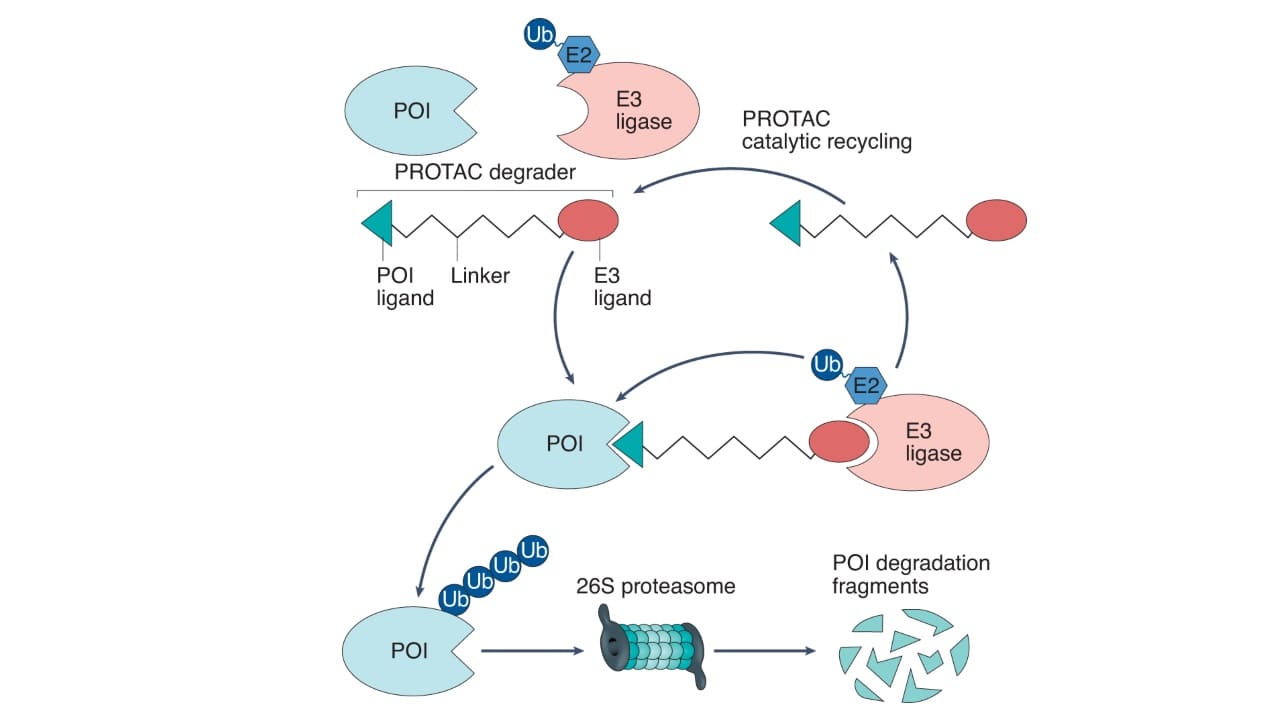
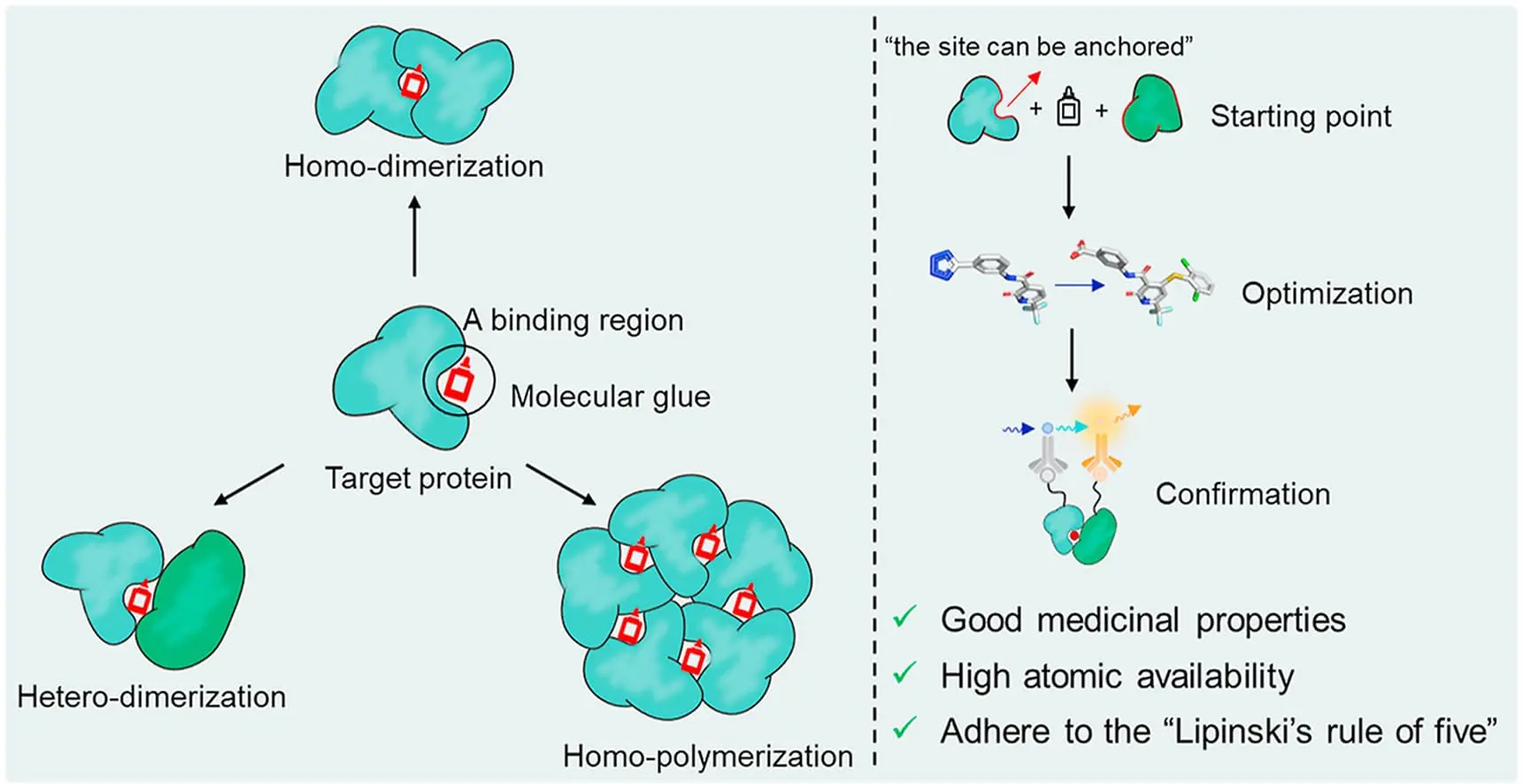
Targeted protein degradation (TPD) using small molecules termed as molecular glues (MGs) is potential to explore drug discovery and development for treating diseases such as cancer, inflammatory and neurodegenerative diseases. Targeting protein-protein interactions (PPIs), important for regulation of biological systems and development of disease states, via small molecules is a classical approach for drug discovery. The majority of this trend is focussed on inhibition of the activity of proteins/enzymes. Recently, instead of PPI inhibition, selective degradation followed by the elimination of disease causing proteins has brought great attention to generate innovative drug entity. Protein degradation includes two significant advantages over protein inhibition in drug discovery. First, the targeted degradation is a catalytic process associated with transient binding and dissociating after promoting polyubiquitination of the disease-causing protein, and a single degrader can destroy many copies of a pathogenic protein. Second, degraders reduce all functions of protein whilst protein inhibitors block the active site of a pathogenic protein providing high sensitivity to drug-resistant targets.
Ubiquitin, found in almost all eukaryotic organisms, is a firmly conserved protein, whereas the ubiquitin-proteasome system (UPS) is a tightly regulated mechanism for intracellular protein degradation and maintaining protein homeostasis carried out by a complex cascade of enzymes that result in ubiquitination of the protein of interest (POI). The E3 ligases are critical components of the ubiquitination cascade. So far, only a few of E3 ligases out of the >600 E3 ubiquitin ligases encoded by the human genome have been exploited for TPD application, for example, cereblon (CRBN), VHL, MDM2, DDB1, DCAF15, and SCF βTRCP.
The two leading protein-degrading approaches by small molecules are heterobifunctional proteolysis-targeting chimeras (PROTACs) and MGs. They have different modes of action and structural features (Figure-1) [1]. MGs, natural or synthetically prepared, stabilize interactions between E3 ubiquitin ligases and POI by biological functions, such as signal transduction, transcription, chromatin regulation, and protein folding and localization to convert the target protein into a “neo-substrate” for an E3 ligase leading to its degradation. In contrast, PROTACs create bond between POI and E3 ubiquitin ligase connecting via a linker to form a ternary complex leading to polyubiquitination and degradation. MGs have advantages over PROTACs such as MGs are smaller molecules, follow Lipinski’s rule of 5, have higher cell permeability, favourable PK profile, lower affinity for ligand or protein etc. compared to PROTACs. Molecular mechanisms of PROTACs are predictable and can reasonably be designed according to the binding mode of ligands to target proteins.
Precision medicine vs traditional medicine
Precision medicine, also known as personalized medicine (PM), is a specialized form of medicine that utilizes information about an individual's genes, proteins, environment, and lifestyle to prevent, diagnose, and treat diseases. This approach allows doctors and researchers to more accurately predict which treatments will be most effective for a specific patient. In contrast, traditional medicine focuses on developing treatments for large groups of people with the same illness, without considering individual variations.
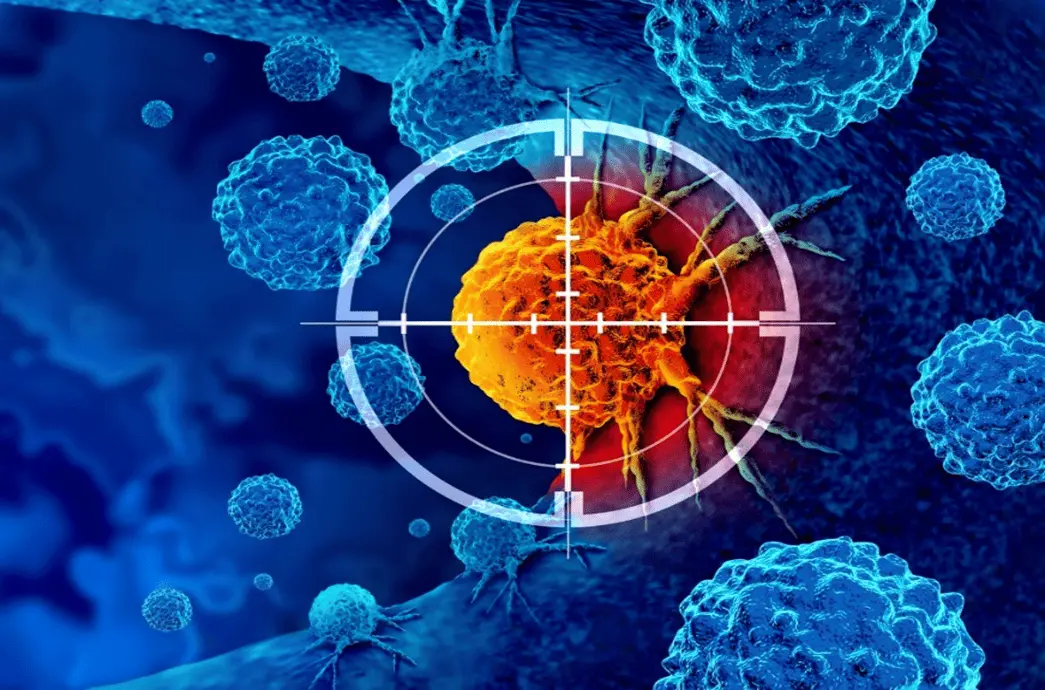
Cancer
Cancer is a serious health concern that presents a significant risk to human health. Research in the field of oncology has always prioritized understanding the origins, diagnosis, and treatment of cancer. Cancer develops when abnormal cells proliferate uncontrollably, disrupting the normal function of the body. Unlike healthy cells, cancer cells do not follow the normal process of growth, division, and cell death. There are various types of cancer, including lung, colorectal, stomach, liver, prostate, breast, cervical, and thyroid carcinoma, each with unique characteristics related to the affected organ or tissue, behavior of cancer cells, and potential for metastasis. Despite advancements in cancer treatment, it remains the second leading cause of death globally, resulting in approximately 10 million deaths annually, as reported by the International Agency for Research on Cancer (IARC) [1].
Gene and cancer
Cancer is a genetic disease. Genes are comprised of sequences of DNA and are organized, sequentially, at specific locations on chromosomes within the nucleus of cells. Genes provide instructions for protein synthesis, which is essential for cell function. Every gene contains the code to produce a particular protein, each of which has a specific role within the cell. Cancer arises from genetic alterations of some kind. Cancer cells are abnormal variants of normal cells, indicating that a genetic change occurred in a normal cell to transform it into a cancerous cell. For instance, genes that typically regulate cell growth could be deactivated, or genes that control cell division might be constantly activated. Multiple gene mutations are typically required for cancer to develop. The majority of gene alterations are due to mutations, which can impair gene function. Genes with cancer-associated mutations are often referred to as cancer genes. While most mutations occur during an individual's lifetime, some can be inherited.
Precision medicine in cancer
Precision medicine in cancer treatment involves customizing therapies based on an individual patient's genetic makeup, lifestyle, and the specific features of their tumor and its surrounding environment. This personalized approach offers an alternative to standard treatments like chemotherapy and radiation, which may not be effective for all patients and can cause harm to healthy tissues. Due to the diverse nature of cancer, with numerous subtypes based on molecular characteristics, clinicians rely on precision medicine to identify the most suitable therapies by analyzing genetic mutations and other molecular features of the tumor, often through techniques like next-generation sequencing. Precision medicine is utilized in certain cancers to determine the most effective tests and treatments. Doctors may use precision medicine to assess cancer risk, detect cancers early, accurately diagnose specific types of cancer, select the best treatment options, and evaluate treatment effectiveness.
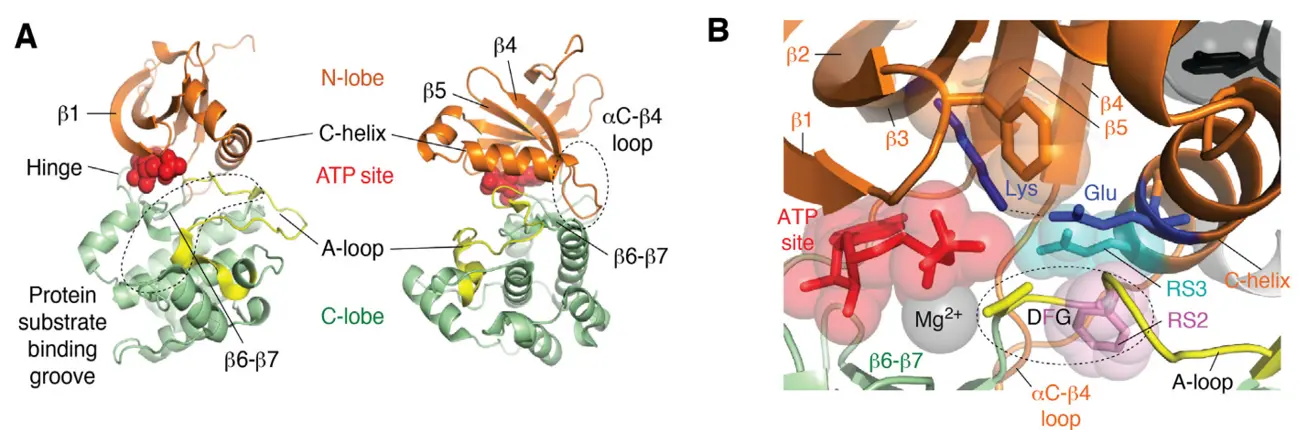
Kinases are enzymes that catalyze the transfer of a phosphate group from adenosine triphosphate (ATP), a high-energy phosphate-donating molecule, to the different substrates such as proteins, lipids and carbohydrates, while phosphatases remove a phosphate group from the substrates. Kinases play significant roles in essential cellular functions including cell cycle progression, growth, apoptosis, and metabolism. Consequently, the dysregulation of kinase function is a crucial factor for various diseases, including cancer, immunological, inflammatory, neurodegenerative, metabolic, cardiovascular and infectious diseases. Kinases have emerged as highly promising targets for drug development across diverse disease areas, principally in the field of oncology. The human kinome is composed of around 560 protein kinases, of which around 500 are eukaryotic protein kinases (ePKs). The protein kinases are divided into the sub-subclasses according to the amino acid residue that they phosphorylate, such as serine/threonine protein kinases, tyrosine-specific protein kinases, histidine-specific protein kinases, tryptophan kinases, and aspartyl/glutamyl protein kinase.
The first crystal structure of protein kinase A (PKA) was published in a landmark article [1] in 1991. The structure analysis revealed a conserved structural core present in protein kinases. This core consists of an N-lobe, which comprises a 5-stranded β-sheet (β1–β5) and at least one α-helix. Additionally, there is a C-lobe that is mostly α-helical but with a small yet important β-sheet (β6–β7) (Figure 1A) [2]. An ATP substrate molecule is sandwiched at the interface between the two lobes, and the surfaces of this cleft are formed from the β-sheets on both lobes (Figure 1B) [2]. The phosphates of ATP are positioned underneath the Gly-rich loop, which acts as a connection between β1 and β2. They interact with a conserved Lys residue located on β3 and are further linked to the C-lobe through a divalent cation, typically Mg2+. These lobes are joined together by a well-organized and concise linker sequence known as the hinge, which specifically recognizes the adenine base of an ATP molecule through two hydrogen bonds. The molecular interface connecting the two lobes is extensive and enriched in crucial structural and functional features.
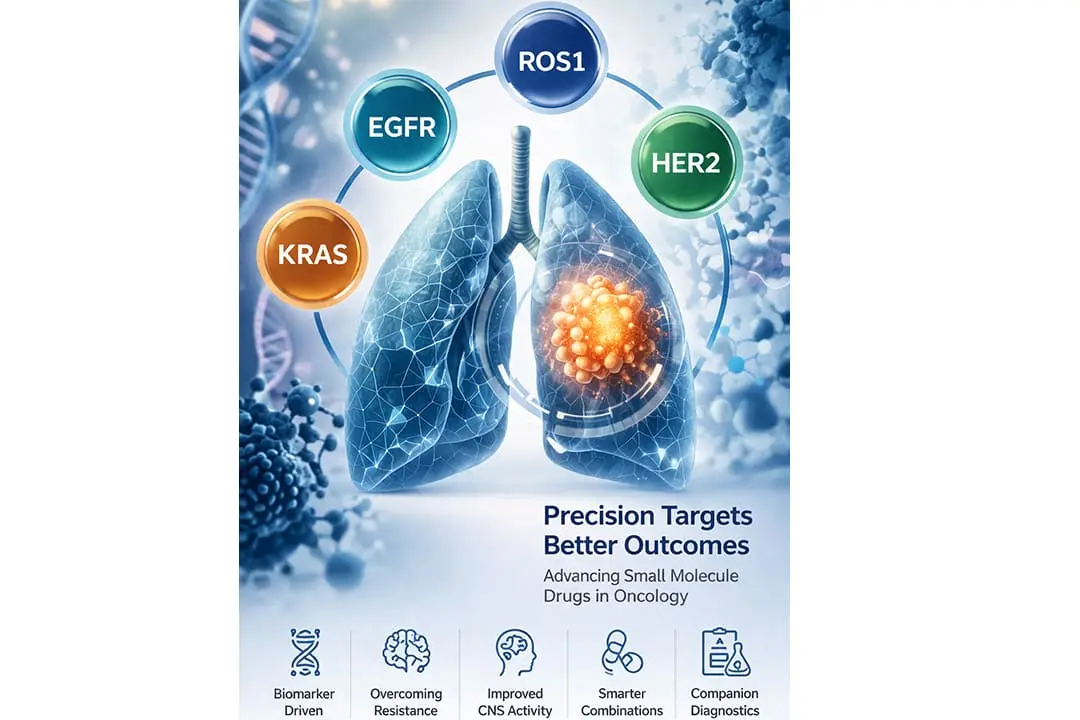
NSCLC accounts for the large majority of lung cancer cases, and the American Cancer Society estimates 229,410 new lung cancer cases and 124,730 deaths in the United States in 2026. The ACS also notes that about 80% to 85% of lung cancers are NSCLC, making it the dominant commercial and clinical segment for lung cancer drug development [1].
NSCLC is also one of the clearest examples of precision oncology in practice. The National Cancer Institute lists targeted therapy among core NSCLC treatment modalities, reflecting how molecular testing now guides therapy selection across multiple settings and genomic subtypes [2].
A major recent shift was the September 2024 FDA approval of osimertinib for adults with unresectable stage III EGFR-mutated NSCLC whose disease had not progressed after platinum-based chemoradiation. The FDA summary reported a median progression-free survival of 39.1 months with osimertinib versus 5.6 months with placebo in the LAURA trial [3].
This was strategically important because it extended oral targeted therapy further upstream in NSCLC management. For drug developers, earlier-line movement generally increases treatment duration, strengthens the economic case for broad molecular testing, and reinforces the role of companion diagnostics and longitudinal biomarker monitoring [2][3].
The August 2024 approval of lazertinib in combination with amivantamab added another important data point. Although the regimen is not small-molecule-only, it shows how oral kinase inhibitors are increasingly used as the backbone of combination strategies meant to improve first-line outcomes in EGFR-mutant metastatic NSCLC [4].






AAP did a really great job succeeding on the synthesis of a Serie of new compounds for the first time. They were very flexible, creative and offering solutions when needed. We would recommend them.

Being a small, virtual company, we need to find CROs we can rely on and who act as an extension to our team. We have had the opportunity to work with the team at AAPharmaSyn on a number of projects over the years. Their excellent scientists have been and will continue to be instrumental in designing and executing synthetic methods that provide quality material for our preclinical work.

Our company has been working with AAPharmaSyn for about 1 year and we plan to continue working with them. AAPharmaSyn has played a hugely important role in our drug discovery project. Their flexibility and adaptability to our specific needs have been truly game-changing for us as a small company; and the chemistry services that we have received have surpassed our expectations. I would highly recommend AAPharmaSyn to anyone looking for experienced synthetic chemistry support from a company that is highly focused on customer satisfaction.

AAPharmaSyn is a top-notch organic synthesis CRO. The chemist I worked with was willing to communicate with me as often as I wanted, and we achieved the goal in less time than I had expected. The cost was competitive. My communication with the CEO- Ruslan- was excellent; he was professional and always available to speak with. I recommend AAPharmaSyn highly and will work with them again.

I have had the pleasure working with AAPharmaSyn team on a custom synthesis project. Due to the nature of the target compounds, it took me quite long to identify a CRO who was well experienced and confident to take on the challenge. AAPharmaSyn was recommended by a friend who had many great experiences with them and I greatly appreciate his recommendation. Ruslan and Ingo quickly put together a proposal after our initial conference call and were very flexible on scope changes. The project started right after the Shelter-in-place was ordered nationwide, but they managed to complete the project timely and nicely. Their expertise and professionalism has made the collaboration a breeze. AAPharmaSyn would definitely be my go-to CRO should I have other custom synthesis needs. The service I received was of high quality yet priced very reasonable. I highly recommend them to anyone who may need technical support on chemistry projects.

I am pleased to endorse the process development services of AAPharmSyn as a productive partner for drug discovery and development, having the appropriate experience and industry connections to advance both academic and biotech assets. To advance a couple of our cancer candidates into early development, we needed to develop an improved syntheses, more suitable for larger-scale production. We found AAPharmSyn to be a productive partner that understood, shared, and supported our long-term goals for our program, exhibiting appropriate and needed flexibility in our contract negotiations. To execute our project, they thoroughly investigated the literature and provided attractive alternatives, highlighting the risks of each to meet our synthetic objectives. They exhibited creative and methodic problem-solving and identified workable and attractive solutions, while providing clear ongoing and transparent communication both personally and in the form of well-fashioned reports. They exhibited an undiluted focus on solving project objectives by all means possible. Their efforts have well-positioned us to move further into development and we anticipate the further use of their services and their associated network. The collaboration, to date, has been money well spent providing a high return on investment.